Kansas City summers can feel personal. One day the air is tolerable, the next day it sticks to your skin and turns every task into a cardio workout. That’s why an AC installation timeline matters. You’re not just waiting for equipment, you’re waiting for relief.
Over the years, I’ve helped homeowners through everything from a quick replacement on a working-day schedule to installs that stretched because of parts, electrical work, or a unit size that didn’t match the duct reality. What follows is what a typical AC installation in Kansas City looks like from the first appointment call to the moment you feel cool air again, with the practical details people rarely think about until they’re in it.
Along the way, I’ll tie in what usually falls under AC installation in Kansas City, plus where AC repair in Kansas City MO and HVAC repair in Kansas City MO sometimes get pulled into the conversation, especially when a “simple replacement” isn’t actually simple.
The first call: turning an emergency into a plan
Most customers call because the system isn’t cooling. In Kansas City, “not cooling” can mean several different things: the indoor fan runs but air is warm, the outdoor unit hums but won’t start reliably, the thermostat is blanking out, or the system cycles on and off like it can’t decide what job it’s doing. From my experience, the best appointments start with clean details.
A solid HVAC contractor in Kansas City MO will ask questions that determine whether this is a repair, a replacement, or something in between. You’ll typically be asked:
- What the thermostat is set to and what it’s doing (fan only, cool running, short cycling) Whether the outdoor unit is starting and running continuously or stopping quickly How long the problem has been happening and whether it started suddenly or gradually Any recent electrical issues, breaker trips, or storm-related events The approximate age of the unit and whether maintenance has been done
Those details aren’t just for small talk. They tell the contractor how to schedule the right technician and what to bring. They also help prevent the frustrating scenario where everyone shows up with great intentions, then discovers an electrical correction or duct issue that should have been identified earlier.
If you’re bouncing between possibilities, it’s worth mentioning whether you previously had AC repair in Kansas City MO. People often remember the part that was replaced, but not the diagnosis that led to it. That diagnosis matters because some problems repeat when the root cause was airflow restriction, refrigerant issues, or thermostat wiring.
Day 1 appointment: measurement before decisions
The first on-site visit is where the timeline either stays tight or starts drifting. A careful contractor doesn’t just look at the thermostat and check if the outdoor unit turns on. They verify the system’s physical and operational conditions.
In a typical AC installation in Kansas City situation, I expect the technician to do some combination of the following:
They confirm the unit model and serial number, then match it to what’s actually installed. They check indoor airflow, usually through temperature splits and fan operation, and they inspect the duct connections around the air handler or furnace plenum. If the unit is cooling poorly, airflow issues can masquerade as refrigerant trouble.
They also inspect the electrical setup: disconnect condition, contactor status, and any signs of overheating or corrosion. In older installations, it’s common to find a disconnect that looks “fine” but has enough wear to create intermittent startups. That kind of problem can turn into a safety concern or a repeat breakdown if it’s ignored.
If the technician finds signs that the system is failing beyond an economical repair, that’s the moment the timeline changes. Replacement timelines often depend on equipment availability, but also on whether the installation requires extra work, like coil replacement, an air handler change, electrical upgrades, or duct modifications.
If the system can reasonably be repaired, your timeline becomes a repair timeline instead. I’m not going to pretend that repair vs replacement is always clean. Sometimes AC repair in Kansas City MO makes sense when the issue is a failed capacitor or a refrigerant leak that turns out to be localized. Other times, the repair gets you through another season but the system will still struggle due to age, inefficiency, or latent damage.
Either way, the goal of the first appointment is to leave everyone with clarity: what’s wrong, what it costs, what it fixes, and how quickly the equipment can be installed.
The quote phase: what you should look for before the calendar fills up
After the appointment, the contractor sends the proposal and usually schedules the installation. This is also when homeowners can reduce delays by making decisions quickly and asking a few targeted questions.
A quote for AC installation in Kansas City should reflect the actual system needs, not just a guess based on square footage. The right number depends on heat load, insulation quality, duct sizing, and sometimes even where return air is pulling from. In practice, that means the best quotes account for indoor airflow and equipment match.
It’s also normal to see trade-offs in the paperwork. For example:
- Replacing only the outdoor unit might be cheaper, but if the indoor coil is degraded, you risk repeating the problem. Moving to a more efficient setup can lower operating cost, but it must be matched correctly to your duct system and thermostat wiring. Adding an electrical upgrade can increase upfront cost, but it protects the system and can prevent future nuisance trips.
If you’re cross-checking the proposal, focus on questions that affect the schedule and the final outcome. I like to encourage customers to ask how the contractor handles:
Airflow and duct implications, especially if the existing ductwork is older or leaky
Warranty coverage details tied to installation procedures
Any planned changes to wiring, disconnects, or breaker sizing
One overlooked detail that matters in Kansas City: timing around pollen season and storm debris. A contractor that schedules quickly can keep your indoor environment stable. A delay can turn into a dust and humidity problem while the home sits warm and muggy.
Equipment ordering and scheduling: the real timeline bottleneck
Even when the diagnosis is correct, the calendar can hinge on equipment availability. Most contractors keep common sizes and configurations in mind, but HVAC equipment supply can vary by season. In peak summer weeks, lead times can be unpredictable.
This is where you might hear the terms “condensing unit only,” “full split system replacement,” or “new air handler and outdoor section.” Those aren’t just marketing labels. They describe what will be waiting at the job site and what has to be staged.
If a system is being fully replaced, the timeline usually includes multiple moving parts:
Outdoor unit delivery
Indoor air handler or furnace and matching coil
Thermostat procurement, wiring and mounting
Consumables like line set components, filter-drier, insulation materials, and proper refrigerant handling supplies
If the job also needs electrical work, scheduling that portion can move the start date. Sometimes the contractor can handle the electrical portion in-house. Other times, permits or coordination with an electrician can add a week, depending on local requirements and availability.
A key point I’ve learned: the job doesn’t really “begin” when the equipment arrives. It begins when the contractor verifies that everything needed for the install is on hand, because missing parts cause more downtime than most people expect.
Prep work before install day: keeping the house clean and accessible
A reputable contractor will treat the prep phase like part of the installation, even if it happens ahead of the first tool-on-the-wall day. That prep reduces delays and makes the final experience smoother.
Common prep steps include verifying the installation location for clearance and service access. Outdoor units need space for airflow, and that space isn’t optional. Some yards look fine until you consider how a technician will service the unit later or how airflow might be blocked by landscaping.
Indoor prep is equally important. The air handler or furnace area should be accessible without turning the job into a demolition project. If the system is in a tight mechanical closet, the installer might ask about protecting floors, using boot covers, and staging materials to reduce tripping.
If you’ve got pets, children, or sensitive furniture, now is the time to decide how you want things protected. I’ve seen installs run smoothly even in messy homes, but I’ve also seen how little issues can create delays, like moving a heavy stand from a walkway or clearing attic access.
Installation day: from first cut to first cool air
Installation day is rarely just “swap the unit and go.” It’s more like a carefully sequenced set of tasks where skipping a step creates problems that show up later.
Here’s what a typical AC installation in Kansas City often looks like, from arrival to cooling:
1) Start-up checks and job setup
The team arrives, reviews the plan, confirms measurements, and checks that the equipment matches what was ordered. If they find a mismatch, they correct it before work begins. This is also when they protect floors and trim, cover work areas, and set up access to the outdoor condenser and indoor equipment.
2) Removing the old system
Removing the old equipment can vary based on how the lineset is configured and whether the air handler needs replacement. In straightforward replacements, the removal is quick. In older systems, I’ve encountered hidden corrosion or stubborn fittings that take longer than expected. This doesn’t mean incompetence; it means the installer is dealing with real-world construction.
If any refrigerant remains, it’s handled per proper procedures. The goal is to avoid messy releases and to protect the next system’s performance.
3) Preparing the indoor unit and coil connections
If you’re doing a full system replacement, the indoor air handler and coil placement matter. The air handler should sit level, drain lines must be routed correctly, and the blower speed must be matched to the new unit requirements.
Drain routing is a big deal in a humid environment. A wrong slope or poor drain termination can cause leaks that look like “AC failure” even when the cooling parts are working fine.
4) Outdoor unit placement and electrical hookup
The outdoor unit needs a stable pad or support arrangement. The electrical connections, including disconnect wiring and contactor setup, must be secure and properly rated.
If the installer discovers the existing electrical setup doesn’t match the needs of the new unit, this is where the timeline can stretch. A careful HVAC contractor rather than a rushed one treats this as a quality and safety requirement, not an inconvenience.
5) Refrigerant line set and insulation work
The line set connection is where the system can win or lose. The work involves brazing or connecting fittings, then verifying tightness and proper refrigerant handling. After that, line set insulation is installed in a way that prevents sweating and reduces heat gain.
In Kansas City summers, humidity is unforgiving. If line insulation is sloppy or incomplete, you can get condensate issues or reduced efficiency even if the unit “seems to cool.”
6) Vacuum, leak check, and charge
After connections are made, the system is typically evacuated to remove moisture and air from the lines and indoor coil. Then a leak check is performed. Finally, the refrigerant charge is set based on system requirements.
This is a point where I advise homeowners to be patient. I’ve seen the temptation to speed up or “guess the charge.” The best installs handle charging based on measurement and manufacturer guidance. Your comfort depends on it.
7) Startup, thermostat setup, and performance verification
Once the system is running, the installer checks airflow, temperature splits, blower operation, and proper thermostat function. They confirm that the indoor blower cycles correctly, that the outdoor unit operates as expected, and that the system isn’t short cycling.
In a lot of installs, this phase includes a final cleanup and a quick walkthrough: what the thermostat settings should be, what maintenance items you should expect, and what noises are normal.
How long does it take to get cooling?
For many standard installs, “cool air” arrives the same day. In more complex replacements, especially where electrical work or additional duct considerations are necessary, the total time might span into a second day. The goal is not speed for its own sake. The goal is a correct system, installed in a way that holds up through Kansas City’s heat and humidity.
When the timeline slips: the most common Kansas City realities
Homeowners don’t always expect how often a plan changes. In my experience, delays usually fall into a few categories that are completely reasonable if you know they can happen.
First, equipment or matching parts can arrive later than expected. A mismatch in coil type, thermostat configuration, or line set components can force an adjustment.
Second, existing conditions can require additional work. A leaky drain line, compromised duct insulation, or an electrical component that’s failing under load can delay the install. If you’ve ever called HVAC repair in Kansas City MO and felt like the problem “wasn’t just one thing,” you’ve seen the same phenomenon from the repair side.
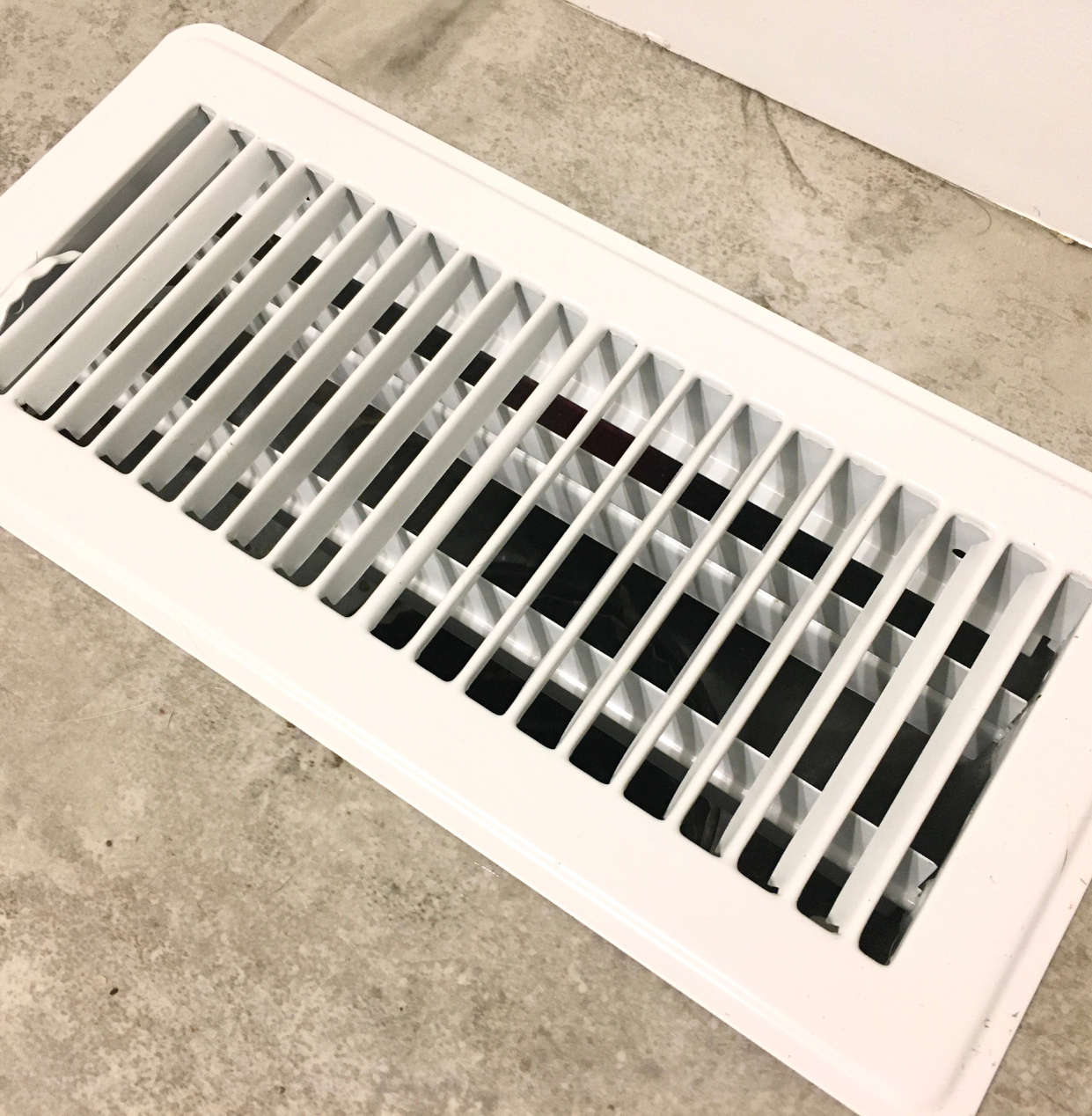
Third, duct and airflow constraints can reveal themselves only once the new system starts running. A system can be correctly sized on paper and still underperform if returns are restricted or supply ducts have issues. That’s why the best contractors check airflow during installation and, when needed, plan corrective actions.
If this part gets tough, your installer should discuss trade-offs. Sometimes it’s better to correct ductwork now to avoid a weak cooling experience. Other times, you can start with the replacement and schedule improvements later. The decision depends on comfort goals and the condition of the existing duct system.
After the install: what “done” should mean
A good AC installation in Kansas City ends with confirmation and care, not just a handshake. I pay attention to how the house feels within the first hour. If the home is already hot, the early cooling can be slower than people expect, but the system should show consistent progress.
Within the first day, you should notice:
The indoor unit runs smoothly without odd rattling or frequent cycling
Air coming from registers feels appropriately cold and strong enough for the thermostat to satisfy its targets
The indoor humidity seems to stabilize, especially in rooms that usually feel clammy
The condensate drain line isn’t backing up or producing leaks
The outdoor unit sounds normal for the model, not like it’s struggling to start or buzzing continuously
If anything feels off, you want it addressed quickly. Delays don’t just cost time, they can cost comfort and create wear on components if the system is fighting a problem.
Maintenance immediately after install: the easy habits that matter
People often think maintenance starts months later. In reality, maintenance begins when the system is new, because the first filters, airflow patterns, and thermostat habits shape performance.
AC maintenance in Kansas City usually comes down to a few predictable actions, but doing them correctly matters. A filter that’s installed backward, a drain line that gets ignored, or a thermostat schedule that runs only at peak hours can create comfort complaints that are hard to diagnose later.
A light routine goes a long way:
Check or replace your indoor filter according to the interval you can actually maintain
Keep outdoor clearance around the condenser, avoid stacking yard clutter close to the unit
After the first few weeks, watch for signs of airflow imbalance, like one room staying warmer than everything else
If you notice unusual smells, persistent water around the indoor unit, or repeated short cycling, call for follow-up rather than waiting for a full breakdown
I’m not suggesting you become a technician. I am suggesting you act like a homeowner whose job is to notice change.
A quick timeline example: what a “good flow” might look like
Every installation is different, but to make this real, here’s a realistic example of how the timeline can play out when everything goes smoothly.
A homeowner reports cooling failure, gets an appointment within a few days, and the technician confirms replacement is the best option. The quote is provided quickly, and equipment ordering begins. Once the equipment arrives, the installation is scheduled, allowing for any permit or electrical scheduling if needed.
On the install day, the old system is removed, the new air handler and outdoor unit are installed, the line set is connected, a proper vacuum and leak check are completed, and charging is verified. Cooling begins by the end of the day, and the technician walks through thermostat operation, filter expectations, and basic care.
Even with a good flow, I tell customers to plan for the house feeling warm during the hottest part of the day if the job is delayed. That’s not a sales pitch, it’s honest scheduling. If you want to reduce discomfort, plan for cooler periods, close curtains on sunny rooms, and be ready for temporary disruptions while work is ongoing.
The questions that save time later
Homeowners often ask about cost, but the questions that save the most time are about process and performance. HVAC Service Near Me If you ask them on the front end, you avoid second visits and awkward “we’ll fix it later” conversations.
If you’re trying to manage an AC replacement without getting stuck in limbo, here are the exact questions I recommend homeowners keep handy:
- What parts of this installation might require additional scheduling, like electrical work or duct adjustments? How will the installer verify refrigerant charge and system performance at startup? What should I expect regarding thermostat settings, run time, and humidity control after installation? Who do I call if cooling is uneven in the first week, and what details will speed up troubleshooting? What’s the recommended filter interval for my specific system, and will you provide the correct filter type?
A professional HVAC contractor should be able to answer these clearly. If the answers feel vague, that’s a sign to slow down before you commit to a timeline.
How AC repair and HVAC repair fit into the picture
Sometimes people start the process thinking they need replacement, then discover the system has a repair path. Other times they assume repair will be quick, then find a larger issue that makes replacement more sensible.
AC repair in Kansas City MO often includes common fixes like capacitor replacement, blower motor issues, thermostat failures, drainage problems, or refrigerant leak investigation. HVAC repair in Kansas City MO can cover more complex issues like compressor failures, electrical shorts, or airflow problems caused by clogged coils or restricted ducts.
If you’ve already been through repair calls, the timeline can be affected by what the prior technician did. For example, if a refrigerant leak was repaired and the system has been recharged multiple times, the coil and line set history matters. You might also have an indoor coil that’s compromised even if the outdoor unit looks newer.
This is why the initial appointment that measures and inspects is so important. It’s also why contractors should talk about the full system, not just the symptom.
Edge cases that change the schedule
Not every install is standard. A few scenarios can add days or change the order of work.
If the system is in a location with limited access, the contractor may take extra time to set up safe pathways and protect the property.
If there’s concern about code compliance or permit requirements, the contractor may schedule work to align with inspection windows. That’s a delay, but it also reduces long-term risk.
If the home has unusual ductwork or major airflow restriction, the installer might recommend add-ons or corrective steps. Sometimes those steps can be done during install. Sometimes they require additional materials or follow-up.

And if the homeowner wants a thermostat upgrade, like adding features or switching to a different compatibility class, that can slightly change the timeline and setup steps.
The key is that these edge cases should be disclosed early. A confident contractor communicates the “what could slow us down” part as part of the planning, not as a surprise on install day.
What to expect emotionally, not just operationally
Comfort restoration is partly mechanical and partly mental. When the AC is down in Kansas City, daily life AC repair in Kansas City MO becomes humid and unpredictable. The best installs I’ve seen treat the homeowner like they’re part of the process, even if you’re not technical.
That means clear communication about arrival windows, what work is happening when, and what you should do with pets, children, and doors while the system is offline.
It also means the contractor doesn’t vanish after startup. If the system behaves oddly the next morning, you want a response plan, not silence.
The bottom line: timeline is a quality issue
A fast appointment doesn’t automatically mean a good installation, and a longer schedule doesn’t automatically mean problems. What matters is whether the contractor builds a timeline based on real measurements and real constraints.
AC installation in Kansas City works best when the process is structured around verification. The timeline from appointment to cooling is shorter when the contractor knows what needs to be replaced, what electrical and duct conditions exist, and what equipment must be staged for a complete job.
When replacement is handled correctly, you don’t just get cold air. You get steadier comfort, fewer surprises, and a system that can take Kansas City’s heat without turning your summer into a string of urgent calls.
If you’re in the middle of deciding between HVAC repair and replacement, it helps to remember something simple: the system’s job is comfort and humidity control, not just turning on. The right timeline is the one that gets you cooling reliably, not the one that races past the details.
All 4 One Heating & Cooling
5828 Woodland Ave, Kansas City, MO 64110, United States
816-699-8366
[email protected]
Website: https://all4onekc.com/